

BPC-157 10mg

$110.00
This BPC-157 is produced at a 99% purity level, making it a high-quality option for a wide range of research applications.
Product quality
BPC-157 available from Peptide Shop is manufactured under rigorous quality standards to help ensure consistency and reliability for laboratory use.
The peptide is refined to 99% purity, providing a clean research material with no added impurities.
Why choose Peptide Shop
-
Manufactured under strict controls covering production, handling, and transport.
-
High-purity BPC-157 designed to support accurate and reproducible experimental results.
Research use only
BPC-157 offered by Peptide Shop is supplied strictly for laboratory and research purposes and is not intended for human consumption.
BPC-157 overview
Body Protection Compound 157 (BPC-157) is a synthetic pentadecapeptide, consisting of 15 amino acids, originally derived from a protective protein found in gastric juice.
Because of this origin, BPC-157 is notably stable and resistant to the digestive enzymes typically present in the gastrointestinal tract, making it of particular interest in research on gut and tissue protection.
Mechanistic focus and research status
Preclinical research suggests BPC-157 has strong cytoprotective properties, helping shield cells from gastric mucosal injury and supporting integrity of the gut lining.
Investigators propose that BPC-157 may play a role in the brain–gut axis, potentially influencing communication between the central nervous and endocrine systems, which is why it has been explored in models of organ, digestive tract, and skin injury.
Although early work highlighted its promise in wound and organ repair, its potential in humans remains largely unexplored due to limited clinical studies.
In contrast, numerous animal and in‑vitro studies report regenerative and healing effects in soft tissue, muscle, ligaments, skin, and internal organs, including models of inflammatory bowel conditions such as Crohn’s-like disease and increased intestinal permeability.
Observed preclinical effects
In animal and cell studies, BPC-157 has been associated with:
-
Enhanced fibroblast proliferation and migration, particularly in tendon-derived fibroblasts, along with increased expression of growth hormone receptors.
-
Accelerated collagen production, faster closure of chemical and alkali-induced wounds, and improved tissue remodeling and circulation.
Follow-up experiments in these models showed that varying BPC-157 concentrations continued to influence cell proliferation and migration over 24-hour periods.
In some studies, BPC-157 also appeared to amplify growth hormone–related activity over several days, further supporting its regenerative research profile.
Vascular and intestinal research
Vascular growth is critical in tissue repair, and multiple animal studies indicate that BPC-157 exerts strong angiogenic effects.
These findings suggest stimulation of blood vessel formation and endothelial cell proliferation, potentially via interaction with receptors such as VEGFR2, which is central to endothelial development.
In rat models of venous occlusion and intestinal lesions, BPC-157 has been observed to bypass blockages and improve blood flow to compromised segments, supporting lesion recovery.
Additional studies in colitis and intestinal ischemia models reported restoration of perfusion through collateral vessel formation, as well as benefits in various vein-related injuries, thrombosis, and prolonged bleeding.
Tendon and soft tissue research
Tendon injuries are both common and slow to heal, prompting interest in novel agents that may enhance repair.
Across several animal models, BPC-157 has been linked to increased neovascularization, improved circulation, and broad regenerative activity in tendon, muscle, bone, and other soft tissues.
Some recent rat studies suggest BPC-157 may outperform certain growth factors (such as bFGF, EGF, and VEGF analogues) in promoting cell migration and survival in injured tissues.
Collectively, these findings position BPC-157 as a promising candidate for further investigation in tendon and musculoskeletal repair research.
Antioxidant and protective properties
Beyond regenerative effects, BPC-157 has demonstrated notable antioxidant activity in animal and in‑vitro models.
It appears to help counteract oxidative stress markers, including those induced by nitric oxide and malondialdehyde, and to reduce the generation of reactive oxygen species within the gastrointestinal tract.
In these models, BPC-157 has been investigated for its potential to protect against or ameliorate gastrointestinal inflammation.
These findings have led researchers to explore its role as a protective adjunct in settings of chemically induced injury and oxidative damage.
Interaction with drug side effects
Non-steroidal anti-inflammatory drugs (NSAIDs) and other potent medications are known to carry significant risks, including cardiovascular complications, gastrointestinal ulcers, and hepatic stress.
Various rat studies have examined BPC-157 as a co-administered agent, where it has shown potential to mitigate some of the gastrointestinal and organ-related adverse effects associated with long-term NSAID exposure.
In these experimental models, improvements were also observed in certain brain and heart parameters, suggesting a broader protective profile that warrants further investigation.
However, these observations remain preclinical and should not be extrapolated to clinical use without robust human data.
Physicochemical profile
-
Potential research benefits: Supports collagen synthesis, wound closure, and improved microcirculation in preclinical models.
-
Molecular weight: 1419.54 g/mol.
-
Chemical formula: C62H98N16O22.
-
Sequence (chemical name): Gly–Glu–Pro–Pro–Pro–Gly–Lys–Pro–Ala–Asp–Asp–Ala–Gly–Leu–Val.
-
Synonym: Pentadecapeptide BPC-157.
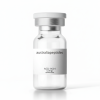
This BPC-157 is supplied as a powder in a 10 mg vial, with a stated purity of 99%.
For optimal integrity, it should be stored in a cool, dry environment away from direct light.
Usage terms and sourcing
BPC-157 offered through this catalog is manufactured and tested under strict procedures designed to deliver a highly refined, impurity‑minimal research peptide.
Bulk or institutional buyers operating larger laboratories may be eligible for volume-based pricing and are encouraged to make direct contact to discuss options.
Be the first to review “BPC-157 10mg”
Related products

Peptides
Peptides

Peptides
Peptides

Peptides

Peptides

Peptides

Peptides
Reviews
There are no reviews yet.